







Search Results for: Cherry Tomato Iced Americano
Can Tomato Juice Mixed with Coffee Be Drunk? The Truth About the Recipe and Taste of Cherry Tomato Iced Americano, Tested
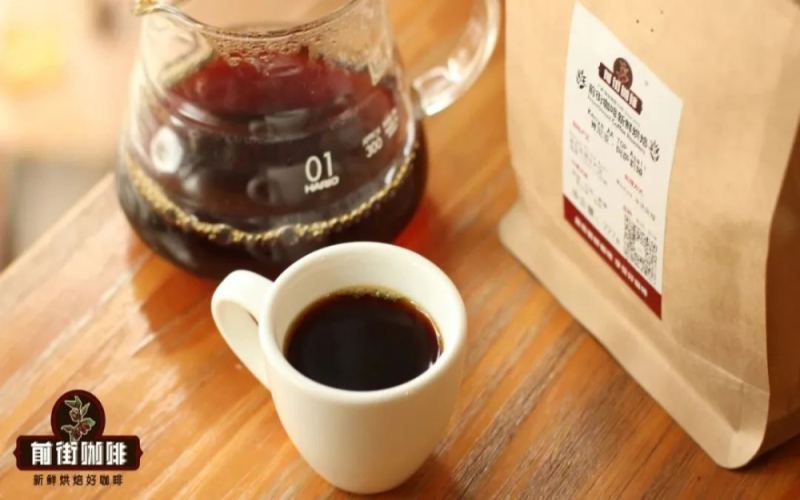
Tomato scrambled eggs are common, but have you ever tried tomato coffee? After a certain brand launched tomato Americano, Front Street decided to verify it hands-on. We start with the logic of selecting cherry tomatoes, compare the performance differences between large tomatoes and cherry tomatoes in specialty drinks, and analyze why commercially available tomato beverages are not suitable for mixing directly with coffee. Then we document two fresh-juicing attempts—the first failed because the pulp was too thick, and the second, after adding water, blending, and filtering, yielded a clear juice. The final product was made with 90g ice cubes, 120g tomato juice, and 38g Warm Sun coffee liquid. On the palate, sourness and bitterness clash, with a noticeable astringency from the fruit skin. This whole hands-on test tells you: is this specialty drink really worth recreating? [more…]

Exploring the bitterness differences between Americano and Espresso: Can iced Americano be made with pour-over or cold brew?
Is Americano or Espresso more prominently bitter? Without a coffee machine, can you use pour-over or cold brew instead to make an iced Americano? Starting from the compositional principles of Americano, this article breaks down its key preparation points and bean selection advice in detail, and recommends several Front Street brand coffee beans, including Front Street Dark Cocoa Blend, Front Street Golden Mandheling SOE, and more, helping beginners get started easily. At the same time, it compares the flavor differences between cold brew and pour-over coffee, and provides a list of floral and fruity beans suitable for low-temperature brewing, such as Huakui, Red Cherry, Guodingding, and others, so you can make a refreshing, sweet, and smooth iced coffee at home too. [more…]
Comparing the Bitterness of Americano and Espresso: Can Iced Americano Be Made with Cold Brew or Pour-Over?
How do Americano and espresso differ in their bitterness? How should coffee beans be chosen to make a delicious Americano? If there is no coffee machine, can cold brew or pour-over be used instead to make an iced Americano? Starting from the compositional principles of Americano, this article will analyze the influence of the espresso machine on flavor and provide specific brewing methods and parameter suggestions. At the same time, focusing on the two methods of cold brew and pour-over, it will explain their essential differences in mouthfeel from iced Americano, and recommend coffee bean types suitable for low-temperature extraction, helping coffee lovers find a suitable brewing path under different conditions. [more…]
What is the difference between ice drip coffee and cold brew iced coffee? Analyzing why ice drip is more expensive and tastier, from extraction principles to taste
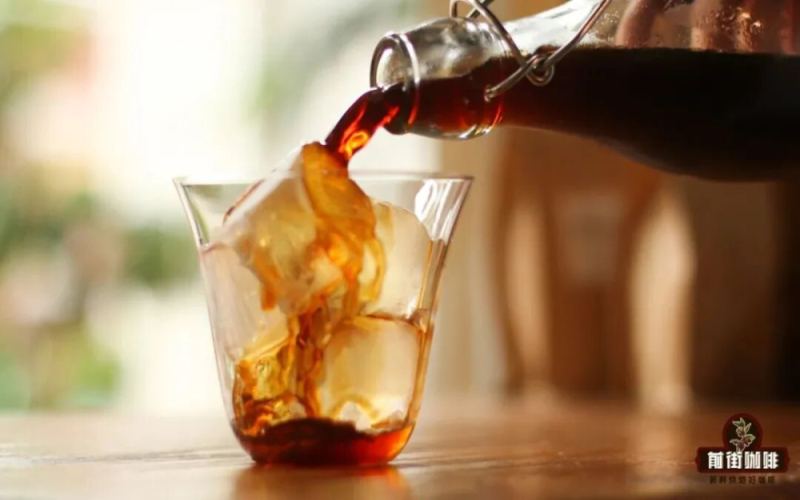
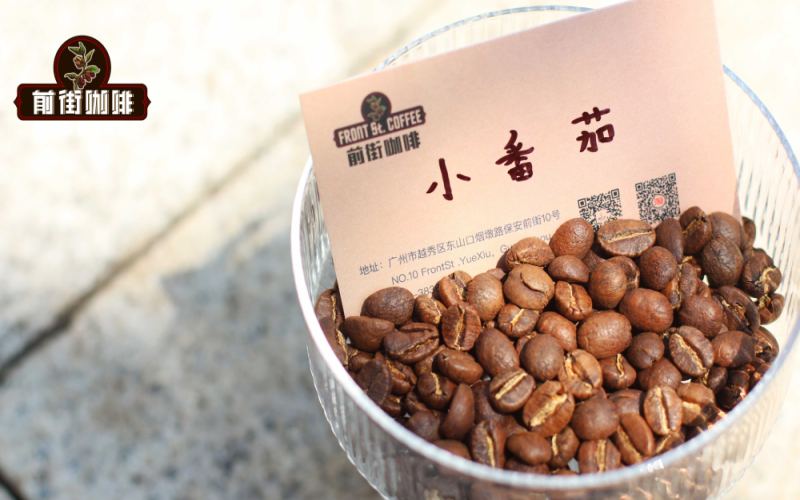
Ice drip coffee, iced Americano, iced latte, and iced pour-over all belong to the iced coffee family, but ice drip coffee is often priced notably higher, and its brewing process is shrouded in mystery. Although both it and cold brew complete extraction at low temperatures, their principles and steps are completely different. Based on the actual experience of Front Street Coffee, this article breaks down one by one the four key factors of ice drip coffee—equipment requirements, grind size, drip rate, and extraction ratio and aging time—compares it with the convenient method of cold brew, and explains why ice drip coffee is cumbersome to make yet has a rich, smooth, and layered flavor. At the same time, combining specific products such as Front Street Red Cherry, Front Street Little Tomato, Front Street Sidra, and Front Street Strawberry Candy, it provides a complete timeline from brewing to drinking and the pattern of flavor changes for a standard cup of ice drip coffee, helping coffee lovers understand why ice drip coffee is expensive and where it tastes good. [more…]

A Detailed Guide to the Differences Between Ice Drip and Cold Brew Coffee: Ice Drip Coffee Bean Recommendations, Coffee-to-Water Ratio, and Grind Size Guide
In the scorching summer heat, iced coffee becomes a lifesaver for many. But did you know? Cold brew coffee actually encompasses three distinctly different methods: ice drip, iced, and cold brew immersion. Their flavor profiles, brewing principles, and suitable occasions vary greatly. This article will provide an in-depth analysis of the differences between ice drip coffee and cold brew coffee, and detail Front Street Coffee's ice drip brewing parameters—including 60 grams of coffee grounds, a 1:10 coffee-to-water ratio, a grind size with 85% passing through a China standard No. 20 sieve, and an extraction time of 6 to 8 hours. It will also share methods for making iced Americano and cold brew immersion coffee, and recommend several coffee beans suitable for ice drip, including Front Street Mozart, Front Street Kenya Little Tomato, and Front Street PWN Golden Mandheling, to help you find the summer iced coffee solution that best suits your taste. [more…]
How to Control the Time for Ice-Drip Coffee? Flavor Layers of Ice-Drip Brewed with Fresh Coffee Beans and a Comparison with Three Cold Brews
In the heat of midsummer, a glass of ice-cold, crystal-clear coffee is undeniably a great way to cool down. But did you know that cold coffee actually comes in three types: ice drip, iced (iced Americano), and cold brew, each with its own production logic and flavor profile? This article will help you understand the differences between the three, with a focus on ice drip coffee's drip rate, coffee-to-water ratio, and complete brewing process, and share three beans commonly used at Front Street Coffee shops that are suitable for ice drip—Mozart, Kenya Small Tomato, and PWN Golden Mandheling—each presenting a direction of dark berries, crisp and clean, and rich with a sweet finish. Whether you want to recreate it at home or are looking for a new summer flavor, this article offers practical reference. [more…]
Cold Brew Coffee Bean Selection Guide: How to Choose Light-to-Medium Roast Fruity Single-Origin Beans, with Five Floral Bean Recommendations
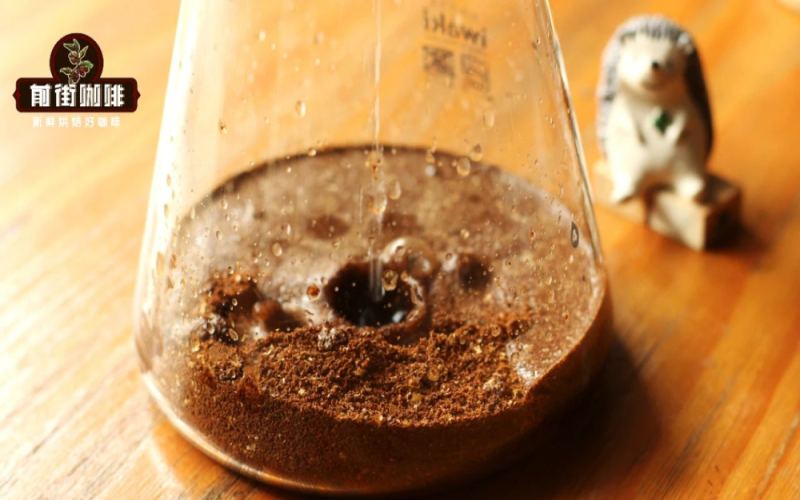
Cold brew coffee, through its low-temperature slow extraction process, releases only floral and fruity aromas along with caramel sweetness, with almost no bitterness, making the choice of coffee beans especially critical. This article starts with the extraction principles of cold brew, answers what kind of coffee grounds to use for making cold brew, and highlights five light-to-medium roast single-origin beans with floral and fruity notes suitable for cold brew—from Front Street washed Fudingding to Butterfly—listing the flavor performance of each under two methods: cold brew/ice drip and Japanese iced coffee. At the end, it also includes Front Street Coffee's purchasing and roasting/shipping information, making it convenient for coffee lovers to buy as needed. [more…]

Cold Brew Iced Coffee Recipe | Which Single-Origin Coffee Beans Make the Best Cold Brew? What's the Difference Between Starbucks Cold Brew and Americano Black Coffee?
Cicadas sing and birds call, the sun shines brightly, and the southern region gradually enters summer. The weather is hot, and icy refreshing drinks are always irresistible. Cold brew coffee is simple to make, with no complicated procedures—just brew a pot before going to sleep at night, and you can drink it the next morning when you wake up. For coffee lovers, cold brew coffee is a summer heat-relieving [more…]
What should I do if my home coffee machine's grind isn't fine enough? Fast-pour iced Americano ratio parameters and medium-light roast bean recommendations
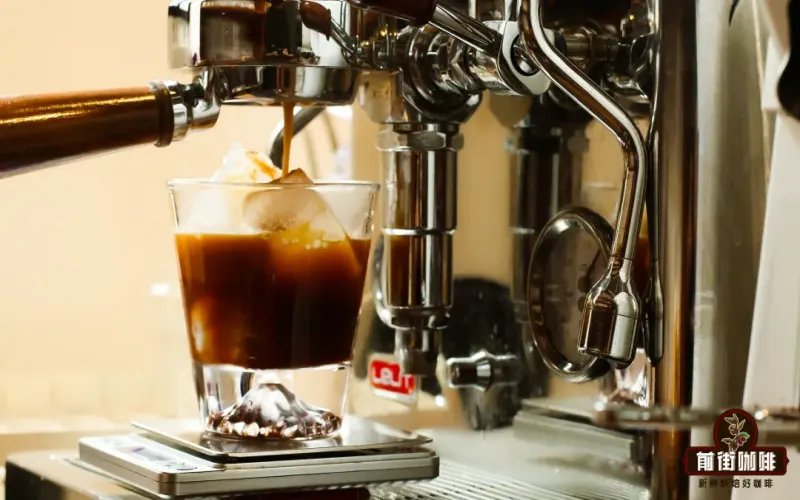
Recently, an iced Americano method called "flash extraction" has become quite popular in the coffee community. It bears some resemblance to the all-ice Americano, also using only ice cubes and espresso, but the amount of espresso poured in is much larger—almost equivalent to the total liquid volume of a regular hot Americano. Put simply, this method involves rapidly extracting a large amount of espresso all at once, essentially yielding a "long shot" espresso—a Lungo. The difference is that this shot does not come with an excessively high extraction rate, and contains fewer bitter compounds, so when made into an Americano, it has low bitterness and a pronounced sweetness. For those who don't have an espresso grinder, or whose grinder can't grind fine enough, this method is especially friendly—you just need to appropriately increase the water amount to compensate for the lack of extraction efficiency caused by coarser grinding and insufficient puck resistance. Below, Front Street Coffee will discuss the specific parameter ratios and recommend a few medium-light roast beans suitable for this method. [more…]
How to Enjoy Cold Brew Coffee Beans: Understanding the Flavor Window After Roasting
Cold brew isn't simply about chilling coffee liquid—low temperatures and a slow water flow stretch out the bean's aroma and sweetness, and they also magnify the differences that freshness brings. If freshly roasted beans are used right away, the cup may have a noticeable fizzy mouthfeel and a harsh acidity; once they've rested to a stable state, the fruity notes, sweetness, and finish are more likely to flow together. [more…]
How to Choose Coffee Beans for Iced Coffee: A Selection Approach from Flavor Direction to Brewing Method
The flavor of a cup of coffee isn't just about acidity or bitterness—it also includes aroma, sweetness, body, mouthfeel, and finish. When choosing beans, first decide whether you want floral and fruity notes, nutty and cocoa notes, or a balance between the two, then match that to the corresponding origin, processing method, and roast level. Cold brew or ice drip's low-temperature extraction will slow down [more…]

Recommendations for Several Coffee Beans Suitable for Cold Brew and Ice Drip: Balancing Budget and Drinking Frequency
Coffee beans suitable for cold brew and ice drip will show different facets depending on the brewing method. When buying beans for daily use, you need to consider how quickly you'll drink them, how much to buy at a time, and whether you mainly make black coffee or milk coffee at home. Pour-over easily brings out the aroma, a coffee machine emphasizes intensity, and a moka pot amplifies the full-bodied richness. When choosing beans, you should first determine your own [more…]
Cold brew coffee tutorial | Which single-origin beans to choose for making iced coffee at home? Specialty coffee beans recommended for cold brew by experienced coffee enthusiasts
In such hot weather, of course you have to drink your coffee iced. But for someone at Front Street Coffee who can never make up their mind, with so many types of iced coffee on the market—cold brew, ice drip, nitro coffee, Japanese-style iced coffee—how exactly should you choose? We all know that iced coffee generally uses low-temperature extraction, which is slow, but in terms of flavor, by [more…]

Hot weather calls for iced coffee! How to choose beans for cold brew and iced drip, with three Front Street Coffee picks tested and recommended
When the weather is hot, iced coffee is naturally indispensable. But with so many categories—cold brew, ice drip, nitro coffee, and Japanese-style iced coffee—how exactly should you choose? Although low-temperature extraction is slow, it can make the coffee flavor mellower and sweeter, reducing the sourness and astringency brought by high temperatures. Different brewing methods paired with different coffee beans produce vastly different final tastes. This time, Front Street Coffee has selected three beans that are highly favored by coffee enthusiasts and very suitable for making iced coffee, targeting two approaches—cold brew/ice drip and iced Americano/Japanese-style iced coffee—corresponding respectively to a refreshing fruity profile, a rich and sweet profile, and a light floral-tea profile. Below, we introduce each of their flavor performances one by one. [more…]
Cold Brew Coffee vs Iced Coffee | Is Cold Brew Better Than Iced Americano or Iced Pour-Over? How to Make Cold Brew at Home? An Introduction to Cold Brew Coffee Water-to-Coffee Ratio and Grind Size Parameters
I believe many friends know that although iced drip coffee, like iced Americano, iced latte, and iced pour-over, falls under the category of iced coffee, the price of iced drip coffee is always considerably higher than other iced coffees, and sometimes the portion is even smaller. For example, a cup of Americano at Front Street Coffee is 23 yuan, while a cup of iced drip coffee is 40 yuan, making the latter more expensive than the former by [more…]
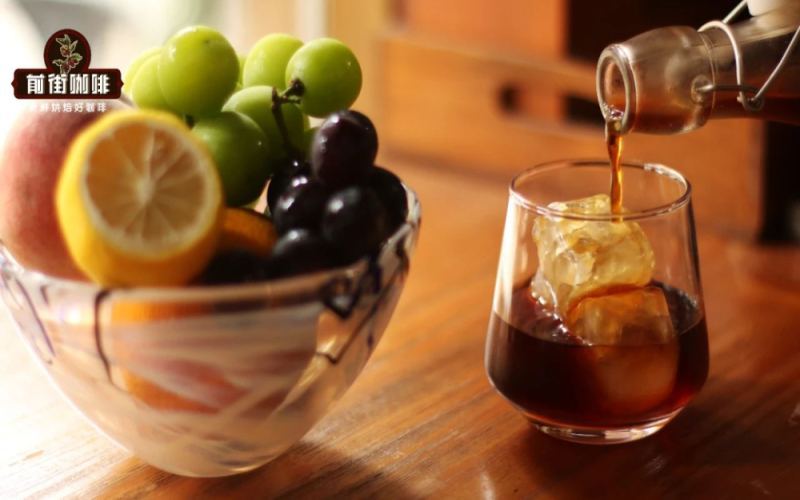
From Extraction Methods to Flavor Presentation: An In-Depth Analysis of Iced Americano, Cold Brew, and Cold Drip Coffee
In the heat of summer, iced coffee becomes the top choice for many. From the perspective of Front Street Coffee, this article systematically analyzes three popular iced drinks—iced Americano, cold brew, and ice drip coffee—covering their extraction processes, flavor characteristics, and practical brewing methods. Iced Americano uses hot water for rapid extraction plus ice, making it quick but relatively light in flavor; cold brew uses low-temperature long-time immersion to amplify purity; ice drip relies on cold water slowly filtering drop by drop to produce a smooth mouthfeel. The article not only details the specific steps for making iced Americano with Front Street Coffee's own Sunflower Warm Sun blend, various cold brew packs, and Sherry bean cold brew, but also reveals the ice drip blend recipes for single-origin beans such as Kenya, Huakui, and Sherry, providing coffee lovers with a professional and practical guide to summer cold drinks. [more…]
How Is Cold Brew Coffee Different from Iced Americano and Iced Pour-Over? A Complete Brewing Guide from Equipment Principles to Grind and Flow Rate
Ice drip coffee often sells for a higher price than iced Americano and iced pour-over in cafés, sometimes even in smaller portions—what is the reason behind this? Although it and cold brew both belong to low-temperature extraction, their production logic is completely different. Starting from Front Street's hands-on experience, this article will break down the four key variables of ice drip coffee—the equipment structure, grind calibration, drip rate, and coffee-to-water ratio, as well as the aging time—and provide specific parameter recommendations for light-roast and medium-roast beans. Whether you want to understand why ice drip coffee is expensive or are planning to get an ice drip pot and try it at home, this article can provide a clear operational reference. [more…]
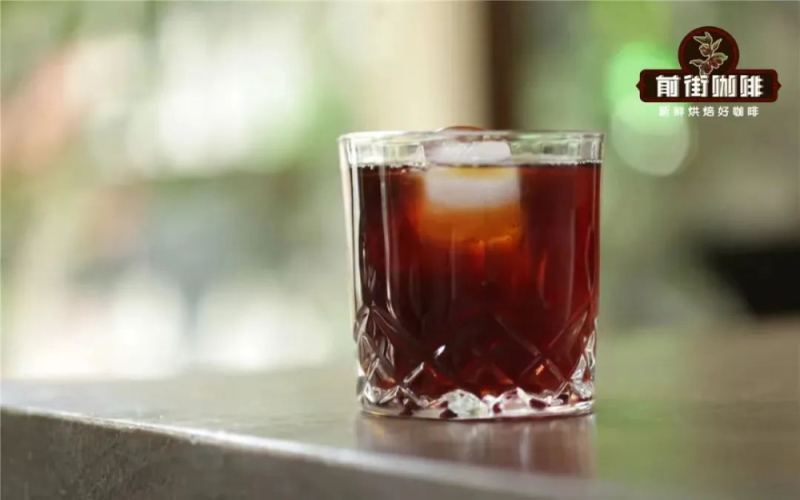
Making Cold Brew Coffee at Home in Summer: A Full Guide to Bean Selection and Simple Brewing Methods
On a scorching summer day, a glass of refreshing cold brew coffee is a favorite among many coffee lovers. Compared with iced pour-over, cold drip, or iced Americano, cold brew has a lower barrier to entry and can be easily made at home. This article starts with the extraction principles of cold brew, explains why light-to-medium roast coffee beans are more suitable for cold water immersion, and recommends a variety of Front Street Coffee beans, covering different flavor directions such as floral, berry, citrus, and creamy. It then breaks down in detail the coffee-to-water ratio, grind size, steeping time, and filtration steps, and answers common questions such as whether extraction can be done at room temperature and how long it can be stored refrigerated, so you can consistently make clean, full-bodied iced coffee at home. [more…]
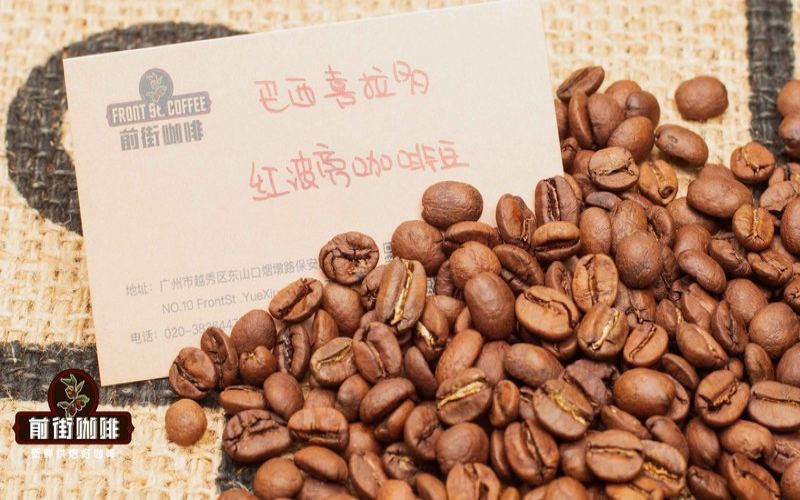
When should you start drinking SOE americano? Sweetness and acidity are easier to balance.
From the day coffee beans finish roasting, the internal gases, aromatic compounds, and extraction state are constantly changing. When made into an SOE Americano, these changes are stretched out by the hot water: drink it too early, and the acidity may seem jumpy while the aroma has yet to unfold; once it enters the right stage, the transition between acidity and sweetness becomes smoother, and the fruit notes are more complete. Therefore, judging [more…]

How to Choose Washed Coffee Beans: Find the Right Cup by Roast Level
Washed coffee beans often express the character of their origin and variety more clearly. In the cup, you might find citrus, berries, or floral notes, or it may lean toward nuts, caramel, and cocoa. It's not just for professional cupping—whether you brew a hot pour-over at breakfast, make iced coffee in the afternoon, or use an espresso machine to make an Americano, you can find a style that suits you. The key lies in [more…]